Title: Coin Laundry Cost Factors
When it comes to starting a coin laundry business, the cost factors you need to consider are not as straightforward as they might seem. You'll want to know how much you can expect to spend on everything from equipment and real estate to utilities and marketing. And that's where many would-be entrepreneurs trip up—they underestimate the costs, which leads to budget blowouts down the line.
So let's dive into these cost factors so you can make informed decisions about your business.
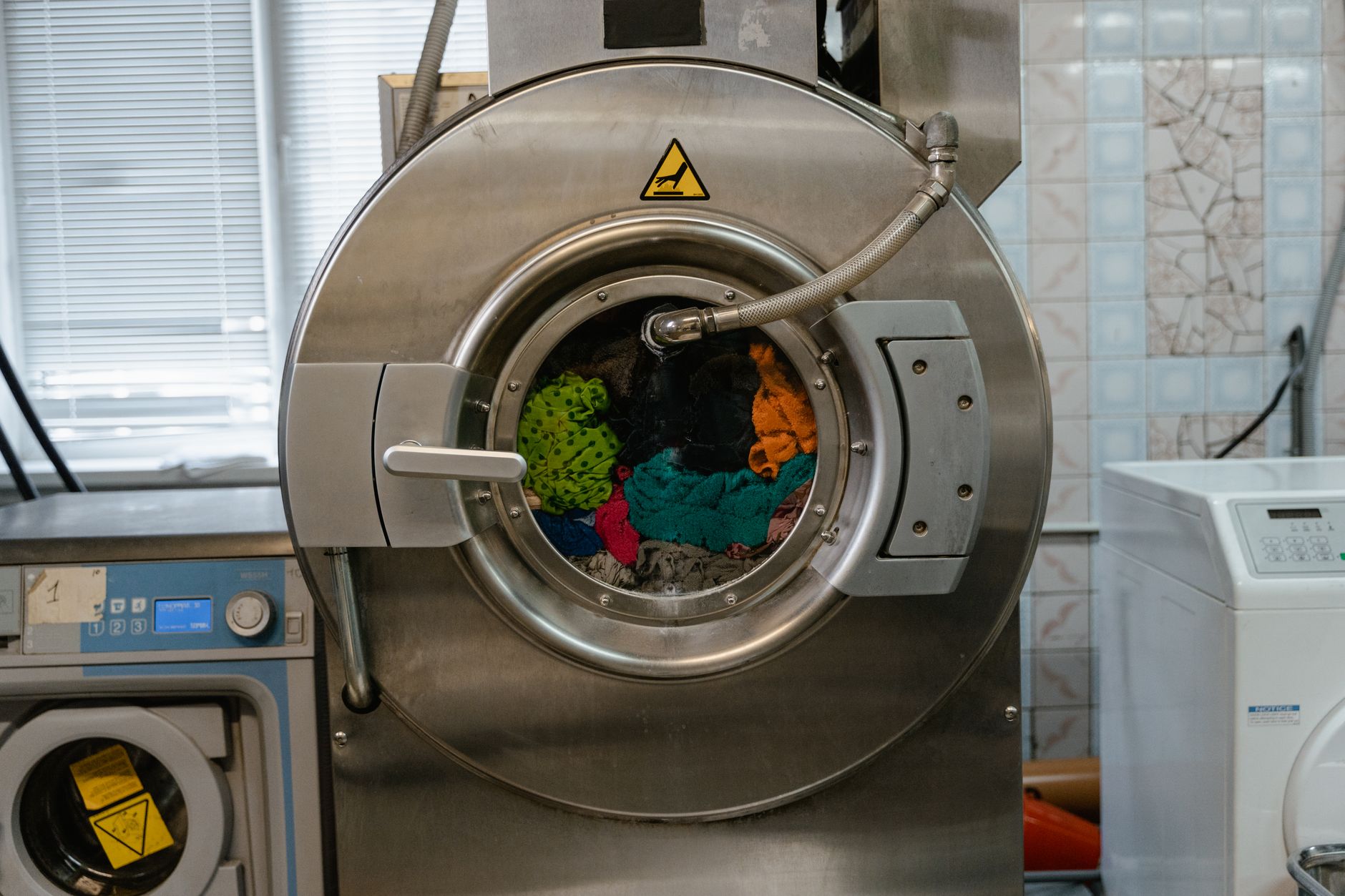
Equipment CostsYour first major expense will be your laundry equipment. This includes washers, dryers, folding tables, and any other tools that will help streamline the laundering process for your customers.
The cost of this equipment varies greatly depending on factors such as brand, size, features, and efficiency ratings. For example, a high-efficiency washer might cost more upfront than a standard one, but it could save you money in the long run due to lower energy bills.
It's essential to do your research when purchasing equipment because prices can vary significantly between different suppliers. You should also consider the ongoing maintenance costs associated with each piece of equipment—some machines may require more frequent repairs or replacements than others, which could impact your bottom line over time.
Real Estate CostsThe next big cost factor is real estate. This includes both the initial purchase or lease of a property and any ongoing expenses related to maintaining that space (such as taxes, insurance, and repairs).
When choosing a location for your laundry business, you'll want to consider factors like foot traffic, visibility, and accessibility. A prime spot in a busy shopping district may cost more upfront than a less desirable location, but it could lead to higher customer traffic and revenue down the line.
Be sure to factor in any potential hidden costs associated with your real estate choice as well—for example, if you choose a property that requires significant renovations before it's suitable for use as a laundromat, you'll need to account for those expenses in your budget.
Utility CostsUtilities are another critical cost factor when running a coin laundry business. These include everything from electricity and water to sewer and garbage disposal fees.
One way to keep utility costs low is by investing in energy-efficient equipment—not only will this save you money on your monthly bills, but it could also help attract environmentally conscious customers who appreciate businesses that prioritize sustainability.
It's also important to negotiate favorable rates with your utility providers when setting up shop in a new location. Many providers offer discounted rates for commercial clients, so be sure to inquire about these options before signing any contracts.
Marketing CostsFinally, let's talk about marketing costs. These include everything from traditional advertising methods (such as print ads or billboards) to digital strategies like social media campaigns and search engine optimization (SEO).
While it may be tempting to skimp on marketing in order to save money upfront, remember that effective marketing can drive significant customer traffic to your business—and ultimately lead to higher revenue down the line.
When creating a marketing plan for your coin laundry business, consider both online and offline strategies. For example, you might invest in a targeted social media campaign to reach potential customers within a specific geographic area or partner with local businesses to promote your services through joint promotions or cross-promotional events.
Conclusion: Making Informed Decisions As you can see, there are many cost factors to consider when starting a coin laundry business—and these costs can vary widely depending on factors such as location